
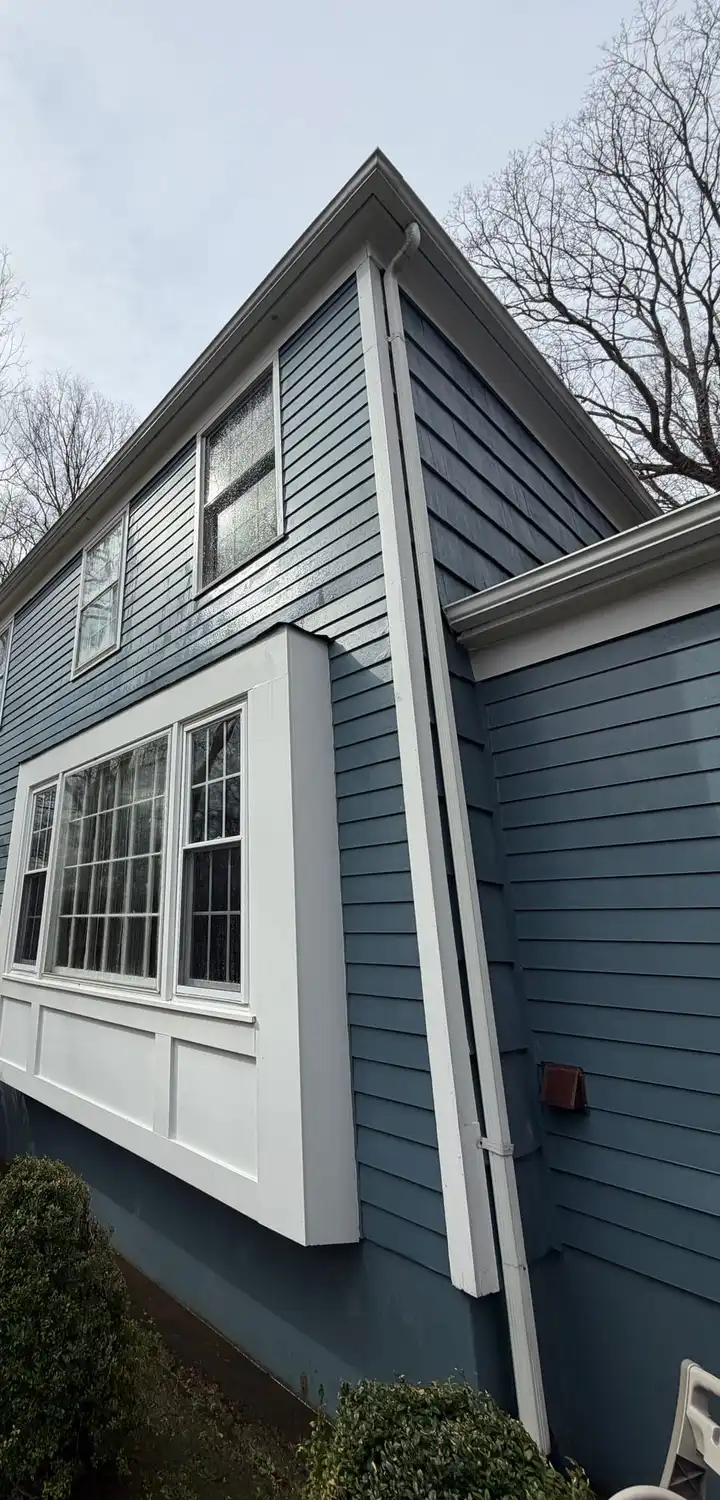
Vinyl siding is a popular choice for many homeowners because it’s durable, low-maintenance, and looks great. Nevertheless, over time, it can accumulate dirt, grime, and algae. This can make your home’s exterior look dull and neglected. If you’ve been wondering how to clean vinyl siding, this guide will walk you through the process, offering simple steps and tips to keep your siding looking fresh and new.
Why Clean Vinyl Siding?
Vinyl siding is resistant to many elements. However, like anything exposed to the outdoors, it still collects dirt and debris. Not only does this affect the appearance of your home, but built-up grime can cause long-term damage. Cleaning your vinyl siding helps maintain its shine and can prevent mold and mildew growth. It also protects your home from pests and keeps it looking well-kept.
When to Clean Vinyl Siding
The best time to clean vinyl siding is during the spring or fall. These seasons typically come with mild weather and a lower chance of rain. This makes it easier to clean and dry the siding thoroughly. Avoid cleaning on very hot days, as direct sunlight can dry the cleaning solution too quickly and leave streaks.
What You’ll Need
Before you start cleaning your vinyl siding, gather these basic supplies:
- Garden hose with a spray nozzle.
- Bucket.
- Dish soap or a mild cleaner.
- Soft-bristle brush or a microfiber cloth.
- Ladder (if necessary).
- Sponge.
- Gloves.
- Optional: House siding cleaner (for tough stains).
How To Clean Vinyl Siding: A Step-by-Step Guide
Rinse the Siding
Start by rinsing the vinyl siding with a garden hose. This will help loosen any dirt or debris. Start from the top and work your way down. The pressure from the hose should be enough to get rid of most of the surface dirt. Be sure to use a wide spray setting to avoid damaging the siding with a direct, concentrated stream.
Mix Your Cleaning Solution
Use a mild cleaner made for vinyl siding and test it on a small hidden spot first. Follow the product’s dilution and application instructions, and avoid harsh chemicals that can damage siding or surrounding plants.
Scrub the Siding
Dip a soft-bristle brush or a microfiber cloth into your cleaning solution and start scrubbing the vinyl siding. Begin at the bottom and work your way up in small sections. This prevents streaks from forming. Scrubbing will remove any stuck-on dirt and stains. Use gentle pressure to avoid scratching the surface of the siding.
Focus on Stubborn Stains
For stubborn stains, use a mild cleaner made for vinyl siding and test it on a small hidden spot first. Follow the product’s instructions, scrub gently and rinse thoroughly.
Rinse Thoroughly
Once you’ve cleaned a section, rinse it thoroughly with your garden hose, working from the top down. Repeat on the other sections to make sure you rinse after each area is cleaned.
Dry the Siding (Optional)
While vinyl siding dries quickly, you can use a clean towel to wipe down the surface if you want to avoid streaks. This is especially helpful if you’ve used a cleaner that could leave marks on the surface. Simply dry the siding gently with the towel, working in small sections.
Tips for Maintaining Clean Vinyl Siding
- Keep It Clean Regularly: Regularly rinse your siding every few months with a hose to keep dirt from building up. This will reduce the need for deep cleanings and keep your home looking fresh.
- Inspect for Damage: While cleaning, take the opportunity to inspect your vinyl siding for cracks, warping, or other damage. Early detection allows you to repair the issue before it worsens.
- Use Gutter Cleaning Services: Clean gutters can help prevent water from splashing onto your siding. Clogged gutters can cause overflow and lead to dirt streaks and stains on your vinyl siding. Scheduling regular gutter cleaning services helps avoid these problems and keeps your home’s exterior in top condition.
- Don’t Forget the Downspouts: As part of your home’s exterior maintenance, remember to clean the downspouts as well. Clogged downspouts can lead to water backup and potential damage to both your gutters and vinyl siding.
Consider Professional Help for Difficult Tasks
Consider professional help for extensive stains or areas that are difficult to reach.
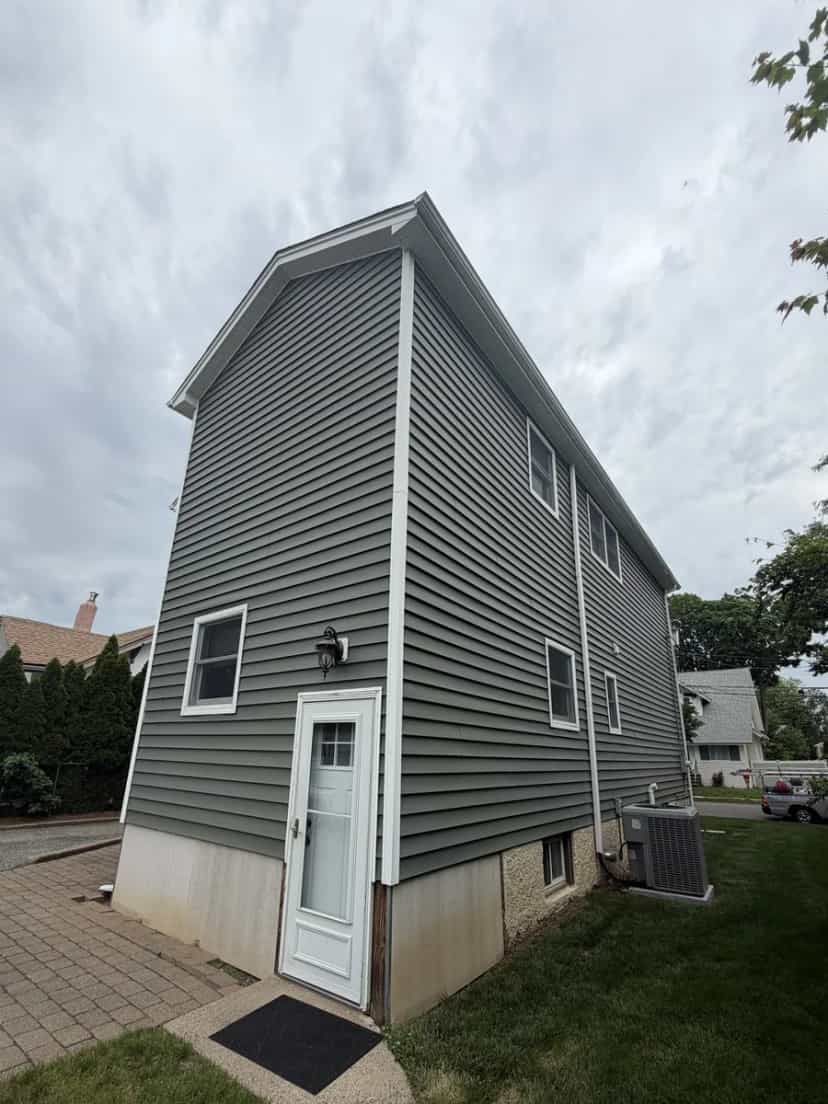
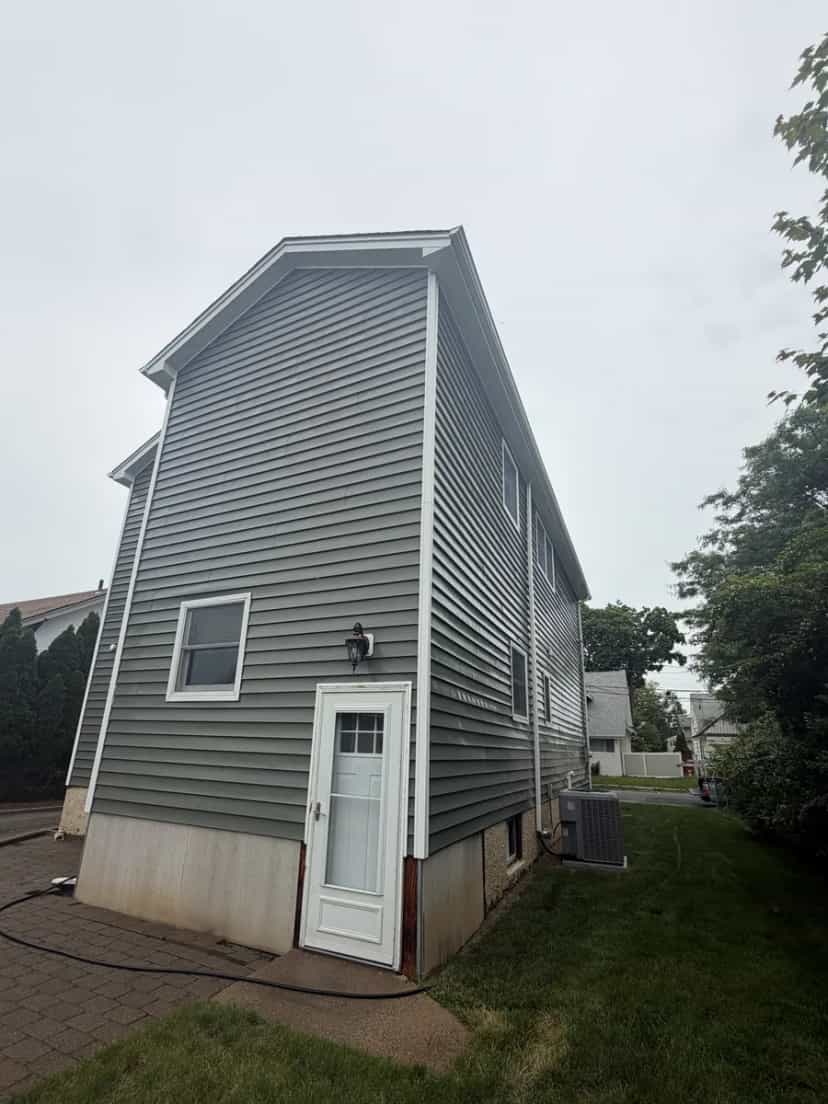
A low-pressure soft wash uses a cleaning solution to remove algae, mildew and dirt from vinyl, brick, stucco, aluminum and wood/cedar siding.
How Often Should You Clean Your Vinyl Siding?
Most homes should have their vinyl siding cleaned at least once a year. However, if you live in a particularly humid area or near wooded lots, you may need to clean it more often to prevent mold and mildew growth. Regular cleaning will keep your home looking beautiful year-round.
The Benefits of Clean Vinyl Siding
Cleaning your vinyl siding regularly offers several benefits:
- Curb Appeal: A clean home exterior boosts your curb appeal and gives a fresh, well-maintained look.
- Protects Against Mold: Regular cleaning removes algae, mold, and mildew before they cause lasting damage.
Regular cleaning and prompt attention to stains help maintain the appearance of your siding.
Tav Gutters offers gutter cleaning and professional siding soft wash for your home’s exterior.
See your siding soft wash price and book online, or call us with questions about your home.